Wisdom teeth are a common source of discomfort for teens and young adults. That alone is enough to warrant treatment, but these oft-impacted molars can also cause oral alignment and health complications. At Julington Creek Family Dentistry in Fruit Cove, we’ll closely examine your wisdom teeth and dental structure before resorting to removal. But if problems are imminent, then a wisdom tooth extraction is the smart move to make! Request an appointment today and let Dr. Cohen take care of your troublesome molar.
Why Choose Julington Creek Family Dentistry for Wisdom Tooth Extractions?
Treatment Provided In-House
Sedation Available For Anxious Patients
Experienced And Accomplished Oral Surgeon
What Are Wisdom Teeth?
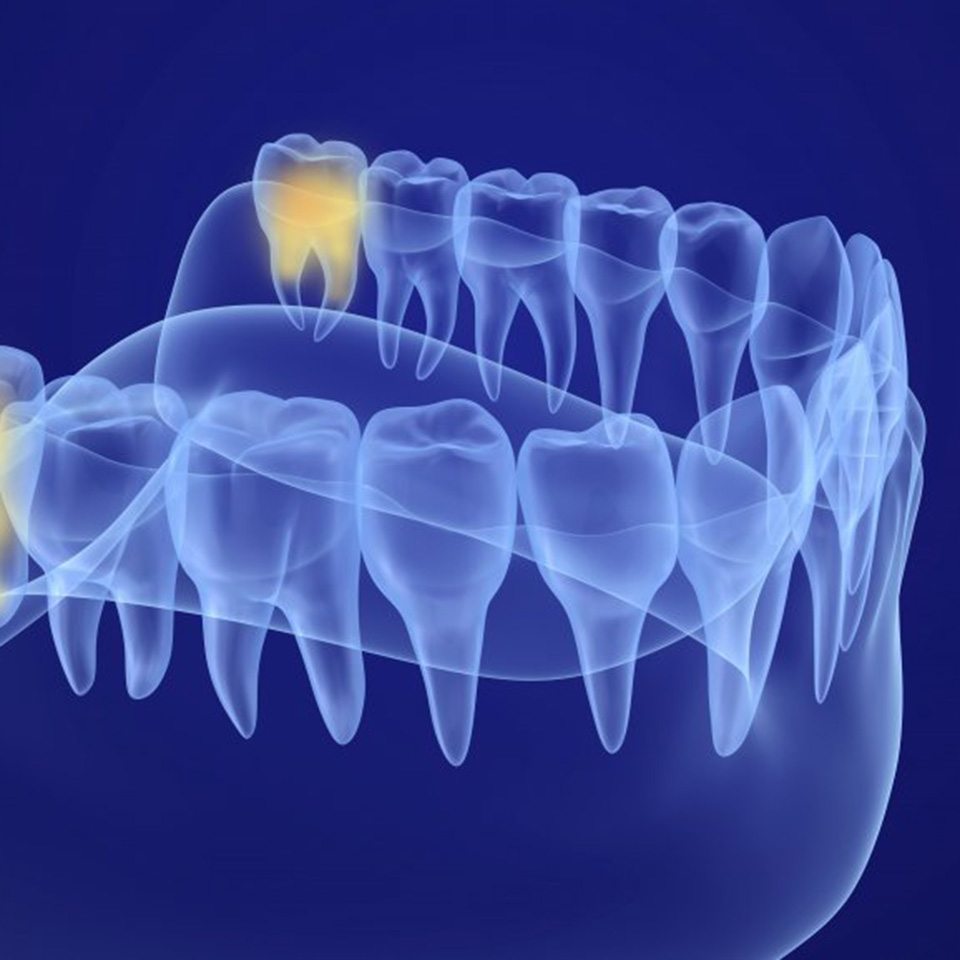
The teeth at the very back of your mouth are called molars. Most people have eight molars in all when their adult teeth are done developing: two for each corner of the mouth. Until, that is, third molars try to grow in behind the original set. These “third molars” are wisdom teeth, and they start to erupt late in the dental growth cycle – around ages 17 – 21.
Why Do Wisdom Teeth Need to Be Removed?
There are actually several reasons our team might recommend extracting your wisdom teeth, such as:
They’re causing discomfort
There’s a possibility that cysts will develop
The third molar’s position risks infection
Bacteria is causing them to decay
Your other teeth will shift and potential require orthodontics
Though wisdom tooth extraction is best for most people, there are cases where this treatment isn’t necessary. That’s why our team will thoroughly examine your oral situation before making a suggestion.
What to Expect From the Wisdom Teeth Procedure
Our examination findings will also dictate which extraction method is best for you and your teeth. Basically, there are two types:
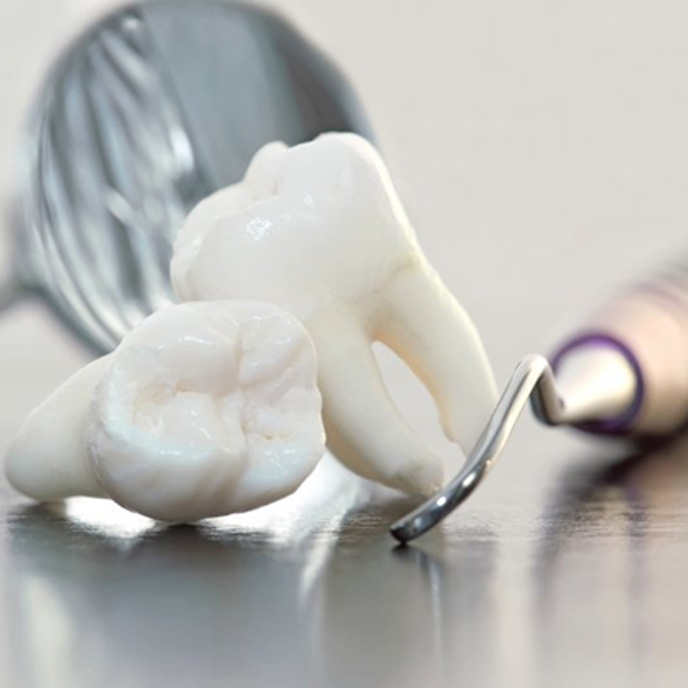
Surgical extraction is the most common solution for wisdom teeth. More often than not, third molars have so little room for growth that they get trapped below the gumline. This is known as an “impaction”, and a safe removal process requires opening your gums and carrying off the tooth in sections.
Simple extraction is used for wisdom teeth that have managed to fully erupt past the gumline. In these situations, we can simply loosen the tooth until it comes free.
No matter which method is best for your oral health, we’ll be sure to secure your comfort and emotional wellbeing with the appropriate local anesthetic or form of sedation.
Recovering From Wisdom Teeth Extraction
After Dr. Cohen successfully removes your wisdom teeth, it’s up to you to care for your treatment site at home! Don’t worry though. Our compassionate team is always just a phone call away if you need anything, and we’ll give you detailed care instructions before you leave our office. Here’s what that might include:
Taking pain medication as directed
Using a cold compress to reduce swelling
Brushing and flossing very carefully around the treatment site
Avoiding harsh foods that could aggravate your mouth
Halting tobacco usage while you heal
Resting instead of exercising or straining yourself
Drinking without a straw – the suction could disturb your protective blood clots
Understanding the Cost of Wisdom Tooth Extractions
It’s only natural to wonder how much your wisdom tooth extraction might cost. Expenses tend to vary from patient to patient depending on treatment needs, but after Dr. Cohen examines your mouth, we’ll be able to give you a more precise estimate. In the meantime, you can get a general idea of what factors might influence your treatment costs and how we can help you offset your expenses by reading the information below. Give it a read-through and let us know if you have any questions!
Factors That Can Impact the Cost of Wisdom Tooth Extractions
Ultimately, no two patients have the exact same smile, which means each treatment is personalized to meet their unique needs. During your consultation, Dr. Cohen will consider factors like:
How many teeth you’ll need to have removed.
Whether you’ll need a simple extraction or a surgical extraction.
What type of dental sedation would be best for you (if sedation is requested).
Each of these factors has different costs associated with them, so they can have an impact on your overall wisdom tooth extraction costs. If you need two wisdom teeth removed, for example, you’ll spend a bit more than someone who only needs to remove one. Rest assured, we’ll keep you informed about how your expenses might be affected!
Does Dental Insurance Cover Wisdom Tooth Extractions?
Most dental insurance policies do provide some coverage for wisdom tooth extractions. On average, this hovers somewhere between 50% and 80%. However, not every plan offers the same amount of coverage, and your benefits may fluctuate depending on whether you’re seeing an in-network or out-of-network dentist.
Regardless of the situation, our team would be happy to help you navigate your dental insurance so you know what to expect.
How to Make Wisdom Tooth Extractions More Affordable
If you don’t have dental insurance coverage, you may be interested in applying for a monthly payment plan with CareCredit. This will allow you to break your wisdom tooth extraction costs down into smaller, more manageable chunks. Simply choose the little-to-no-interest financing plan that works best for you and focus on your smile!
Wisdom Tooth Extractions FAQs
Why Do We Have Wisdom Teeth?
Wisdom teeth, also called third molars, were useful to our early ancestors who relied on the teeth to assist with their tougher, coarser diets of raw plants and meats. Over time, though, as our diets and jaws evolved, our mouths became smaller—leaving less room for these teeth to emerge properly! In fact, today, wisdom teeth often become impacted, which means they erupt at irregular angles and cause issues that can lead to pain and infection. While they once served an important purpose, many dental experts today often recommend having the wisdom teeth removed to protect a patient’s overall oral health.
What Is the Best Age to Have Your Wisdom Teeth Removed?
Many experts agree that the ideal time to have your wisdom teeth extracted is between the ages of 17 and 25, but thankfully, there is no upper age limit or restrictions on when you can have these molars removed. That said, during the teenage years, the procedure tends to be a little easier since the roots of the teeth are still not fully developed, meaning they’re easier to extract and recovery is faster. However, keep in mind that every patient is different—some may need their wisdom teeth removed later on, or not at all.
Does Wisdom Tooth Extraction Hurt?
Despite anything you might’ve seen on television or heard about through the grapevine, the truth is, wisdom tooth extraction is a very routine procedure that is comfortable and stress-free for patients. During your appointment, our team will use a local anesthetic to ensure that no pain is felt at all—and if it’s needed, we can also use sedation dentistry options to ensure that you’re perfectly calm and at ease. After the procedure, it’s normal to experience some mild soreness or swelling for a few days, but this can be easily managed with over-the-counter pain medication and home care. Most patients recover fairly quickly following wisdom tooth extraction in St Johns, and we’ll be sure to guide you through every step of this process. If you do experience intense pain during your recovery, don’t hesitate to contact our team at once.
What Can I Do to Prepare for Wisdom Tooth Extraction?
Preparing for wisdom tooth extraction is simple—but by doing so, you can ensure a smooth process and an even smoother recovery. Before your appointment, we’ll be sure to explain the procedure in detail and give you guidelines for what to do beforehand. Follow any instructions about eating, drinking, or medications closely, especially since you’ll be receiving sedation. You will also need to arrange for transportation home after your appointment, since you won’t be able to immediately drive. It’s also a good idea to stock up your pantry and fridge at home with several soft and liquid food options that are easy on your mouth during the first few days of recovery.