
Preventive Dentistry – Fruit Cove, FL
Helping Your Smile Stand the Test of Time
You don’t have to lose your teeth as you get older. With proper oral hygiene and regular preventive care, you can make your natural smile last an entire lifetime. Dr. Cohen will work alongside a talented dental hygienist to keep your smile free of plaque and tartar; he can also check for warning signs of tooth decay and gum disease that you might not notice on your own. Call us today for preventive dentistry in Fruit Cove, FL if you haven’t seen a dentist for over six months.
Why Choose Julington Creek Family Dentistry for Preventive Dentistry?
-
Gentle, Thorough,
and Friendly
Hygienist -
A Dentist Who
Takes His Time
with You -
State-of-the-Art
Dental
Technology
Dental Checkups & Teeth Cleanings
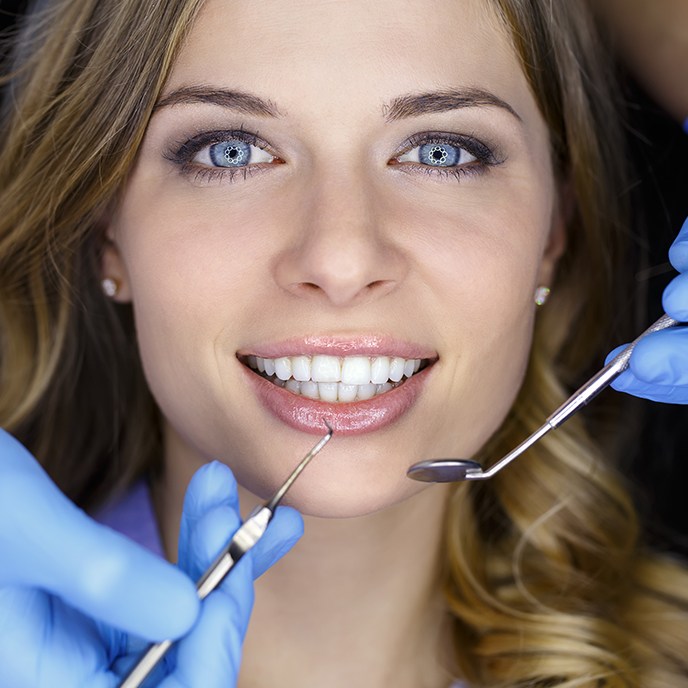
Regularly scheduled cleanings are an important part of your dental health routine. At the time of your appointment, the dental hygienists will scale and polish your teeth. This is done to remove any plaque or tartar buildup you may have that cannot be removed by regular brushing and flossing. Periodically, you will also have digital dental x-rays taken to check for decay. Digital x-rays allow us to get more information from each film than traditional x-rays because computers allow us to magnify and contrast the images in order to reveal anything that may be suspicious. Routine exams are an essential part of your overall health care because detecting and treating dental problems at an early stage can save you time, money, unnecessary discomfort, and your teeth!
Nightguards for Bruxism
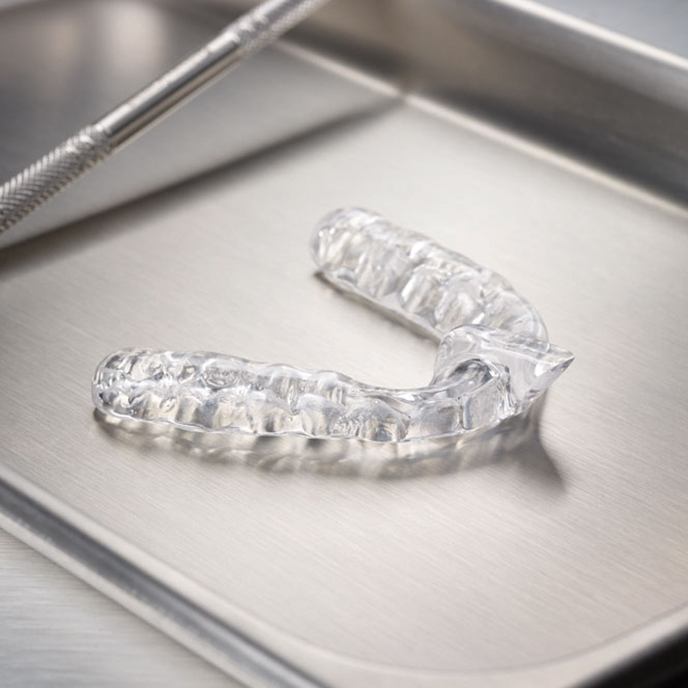
You can naturally expect your teeth to wear down somewhat over the years, but during your checkup, we might find that the wear and tear is far more advanced than it should be. This could be a sign that you’re grinding your teeth at night. In order to keep your smile safe at night, you can wear a nightguard that keeps the upper and lower arches of teeth separated. A nightguard designed by a dentist will be made to comfortably fit you and you alone.
Fluoride Treatments
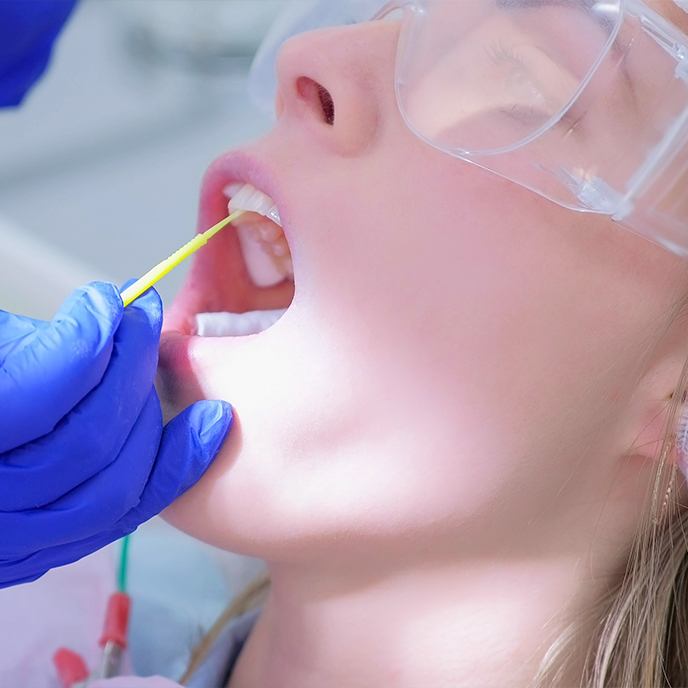
After your teeth have been examined and cleaned, we can apply a highly concentrated fluoride gel or varnish to the enamel. Fluoride provides extra protection against cavities and actively fights against the harmful bacteria that causes decay. By applying fluoride directly to your tooth, we can give you a little extra protection between now and your next six-month appointment. It only takes a few minutes to complete the treatment, but you’ll need to avoid eating or drinking for at least half an hour so that your teeth have a chance to absorb the fluoride.
Learn More About Fluoride Treatments
Oral Cancer Screenings

There’s always a chance you’ll get oral cancer, but some factors can make it more likely to occur. You should always watch out for this ailment and treat it (if present) as soon as possible. That being said, our office provides top-tier oral cancer screenings during each dental checkup. These sessions check you for notable signs of oral cancer, ensuring you get a prompt diagnosis and (if necessary) treatment. For specific details about how they work, please keep reading below.
Signs & Symptoms of Oral Cancer
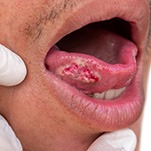
The truth is that oral cancer displays telltale signs, as it’s a form of abnormal cell growth. Such symptoms include the following:
- A lump in the throat
- Discolored or splotchy patches of skin
- Lumps, bumps, or cold sores that don’t heal after a week or two
- Firm, raised areas of oral tissue
- Difficulties swallowing
- Unexplained oral bleeding or numbness
- Loose teeth
- Discomfort while eating
- Sudden changes in voice or a persistent sore throat
If you show several of the signs above, you may have oral cancer. Just note that you should still see a dentist for further analysis; their training allows for a more thorough screening.
What Does a Dentist Look for During an Oral Cancer Screening?

A dentist looks for the previously mentioned signs during an oral cancer screening. However, the way they go about looking is informed by rigorous training and methodologies.
Most oral cancer screenings use visual confirmation, though some rely on additional methods. The supervising dentist will closely examine your lips, mouth, tongue, and throat for relevant signs. As the need arises, they can also employ advanced diagnostic technology to check for hidden symptoms.
Once the screening is over, the dentist will report any concerning findings to you. They’ll also suggest whether any found symptoms require more monitoring. (In the latter case, the signs may be benign but need further checking to be sure.)
What Can I Expect During My Screening?
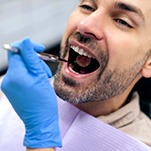
All in all, you should expect your own screening to be direct and straightforward. The average dentist only needs five minutes to perform it.
An oral cancer screening always involves a few essential steps. For instance, the dentist will touch suspicious areas in (or around) the mouth to see how firm some tissues are. They may also palpate your neck to check for throat lumps, which can indicate the presence of a tumor.
Please don’t worry if the dentist takes odd measures or requests a follow-up exam. While they may seem worrying, such measures just show a need for further analysis; they don’t mean you have cancer. The “odd measures” may simply be a way to get final confirmation on a clean bill of health. On the other hand, a follow-up exam would let a dental team see how some signs behave over time.
Gum Disease Treatment
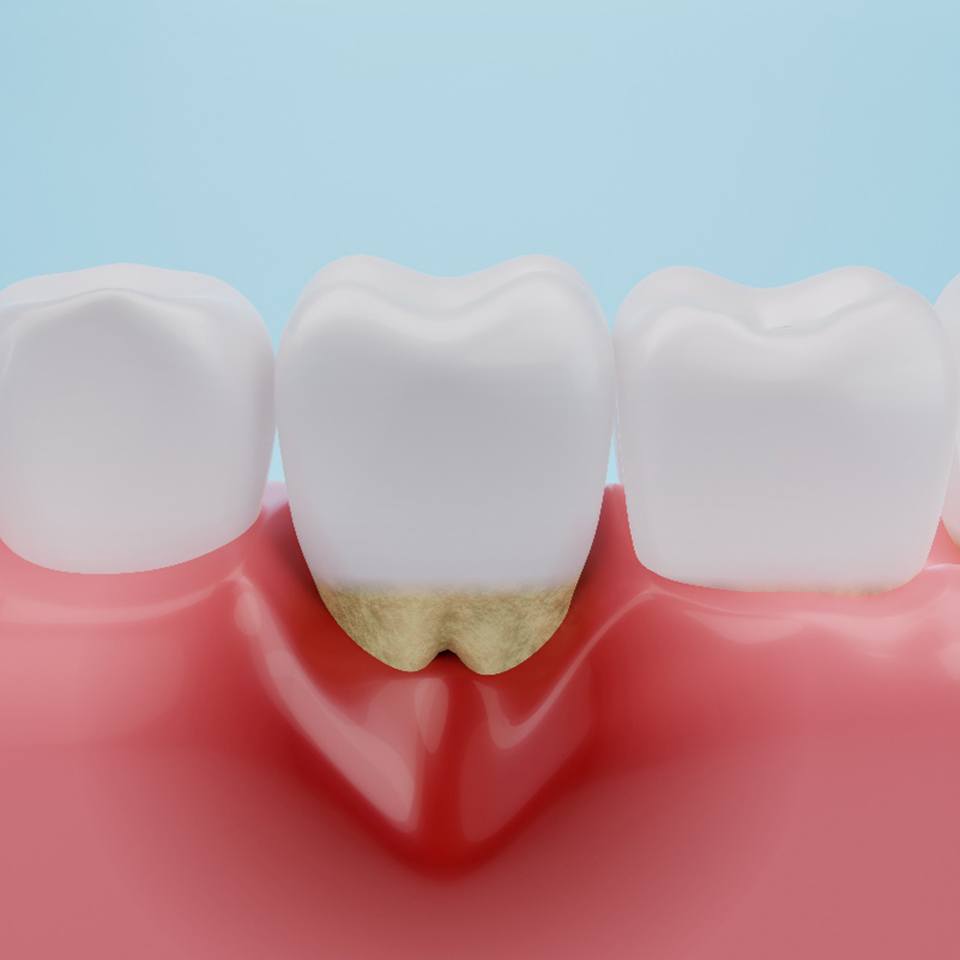
Gum disease affects half of all Americans aged thirty and older. That being the case, there’s a good chance you have it as well. You should try our office’s gum disease treatment if you do. This service relies on scaling and root planing to deeply clean your gums. Scaling will remove plaque and tartar from your gum lines, while root planing ensures your gums reattach to your teeth. If your case is more severe, we can also follow-up with a laser periodontal procedure. It uses a diode laser to destroy infected gum tissue and cauterize what’s left.