
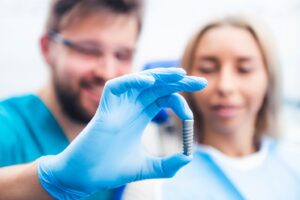
Dental implants are a common way, and the current high standard, to replace both missing teeth and frowns. However, if you take blood thinners, you may have questions about how these medications could affect your procedure and recovery. Blood thinners are prescribed to reduce the risk of dangerous blood clots, but they can also affect bleeding and healing after oral surgery. Let’s discuss the influence the medication could have on your implant treatment.
Why Do Blood Thinners Affect Dental Implant Surgery?
Blood thinners, also called anticoagulants or antiplatelet medications, help prevent blood clots from forming. Common examples include warfarin, apixaban, rivaroxaban, dabigatran, clopidogrel, and aspirin.
While these medications can protect you from conditions such as strokes, heart attacks, and blood clots, they may increase your risk of prolonged bleeding during and after dental implant placement.
Dental implant surgery involves making an incision in the gum tissue and preparing the jawbone to receive the implant. Because the procedure affects both soft and hard tissues, controlling bleeding is an important part of recovery.
Can Blood Thinners Slow Down Healing?
Blood thinners do not necessarily prevent your mouth from healing or stop an implant from bonding with your jawbone. However, excessive bleeding can complicate the early stages of recovery.
Potential concerns include:
- Prolonged Bleeding: You may experience bleeding for longer than someone who does not take blood-thinning medication.
- Bruising & Swelling: Some patients may notice more noticeable bruising or bleeding beneath the gum tissue.
- Blood Clot Complications: A stable blood clot helps protect the surgical site during initial healing. Excessive bleeding can make it more difficult to maintain this protection.
- Infection Concerns: Significant bleeding or disruption of the surgical site may complicate recovery, although blood thinners do not directly cause dental implant infections.
Your dentist will consider your medication, medical history, and overall health when determining how to approach surgery.
Should You Stop Taking Blood Thinners Before Surgery?
An important point to understand: you should never stop taking blood thinners without instructions from the healthcare provider who prescribed them.
Stopping these medications can increase your risk of serious complications, including strokes or dangerous blood clots. Depending on the medication and your individual circumstances, your dentist may recommend continuing treatment with additional bleeding-control measures.
Your dentist may coordinate with your physician or cardiologist to determine whether any medication adjustments are necessary. Factors such as the type of blood thinner, dosage, kidney function, and complexity of implant surgery can influence the plan.
Tips for Recovering After Dental Implant Surgery
If you take blood thinners, follow your dentist’s postoperative instructions carefully. Avoid strenuous activity during the initial recovery period, eat soft foods as recommended, and avoid smoking. Do not disturb the surgical site or rinse forcefully when your dentist advises against it.
Use gauze and apply gentle pressure if instructed to manage minor bleeding. Contact your dental office if bleeding continues or becomes heavy. Seek urgent medical attention if you experience uncontrolled bleeding, faintness, or difficulty breathing.
Taking blood thinners does not automatically disqualify you from receiving dental implants. With careful planning, communication between your healthcare providers, and appropriate bleeding-control measures, many patients can undergo treatment safely. Be sure to disclose every medication and supplement you take during your implant consultation so your dental team can create an appropriate treatment plan.
About the Author
Dr. Jonathan H. Cohen graduated from the State University of New York Buffalo School of Dental Medicine before completing his General Practice Residency at University Hospital in Syracuse. Following that, Dr. Cohen earned a Fellowship in Dental Implantology from the University of Miami Miller School of Medicine at Jackson Memorial Hospital. Today, he’s an active member of the American Academy of Implant Dentistry. For more information on dental implants and our other services here in Fruit Cove, contact us online or call (904) 230-2961.